

In a post-COVID world, it’s easy for ‘seasoned’ (read: “old-school”) instructors to complain about students’ lack of engagement and motivation in online classes. We (yes, I’m going to include myself in this category for argument’s sake) get frustrated when students won’t turn on their cameras, when they refuse to speak up during synchronous discussions, and when they post canned responses in online forums designed to create meaningful discussion. As instructors, we might even bemoan the attitude of “kids today” and long for the days where face-to-face was the ‘norm;’ when online classes were something reserved for niche groups and self-professed sci-fi fans. We might even go so far as to “harumph” that ‘everyone learns better the old way.’
But, alas, the old ways are going, going, gone. And while there will certainly always be face-to-face classes in some respect, it seems as though online education is most certainly here to stay.
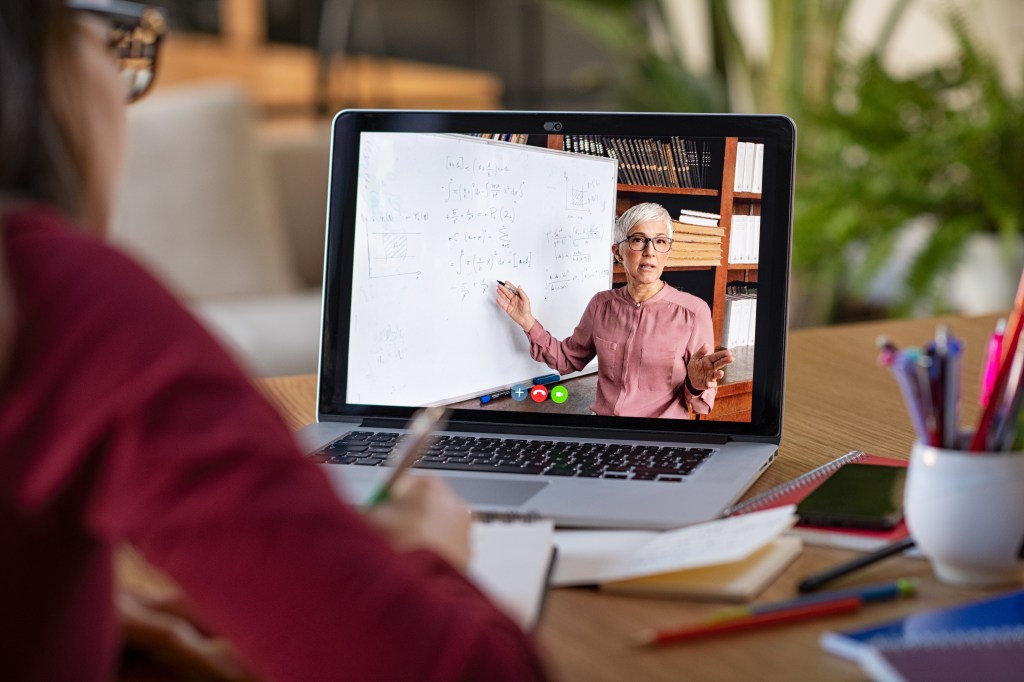
It may be difficult to admit it, but the problems listed above aren’t really about the students at all. It’s an “us problem.” Simply speaking, instructors need to step it up.
When COVID caused the now-infamous “pivot” (sorry, Friends fans, but the word will never be yours again), I realized that I knew very little about teaching online. Perhaps this might sound like the understatement of the century, but at the time, I initially believed I had some sort of advantage, having worked in television and radio in my pre-teaching life.
Unlike the woes of many of my fellow instructors, I reassured myself that I did know how to interact with an audience who may or may not be listening and/or engaged. I congratulated myself on of course knowing how to speak to a piece of glass without seeing my audience’s reaction; I had, after all, been doing it for years.
Oh, sweet Summer Child.
My one actual advantage? As do many, many instructors, I truly cared.
Love and Support:
Over the years, I’ve often encouraged my students’ participation and engagement with what has become my catchphrase: “Let’s show them some love and support!” This means everyone needs to join in on clapping, snaps, words of encouragement, cheers, etc—anything to rally around those about to give a speech, speak up in class, or give a presentation. Students are not robots, after all. No matter their age, they are human beings who need encouragement from their peers, as well as from instructors who often double as parental figures or mentors.

Catherine Denial seems to sum up the delicate dance of love, support, and caring that instructors embark on each semester in her 2019 think-piece “A Pedagogy of Kindness.” She explains that when she approached her students with trust and a relationship-building mindset, she learned to differentiate between kindness and ‘being nice.’ She says “I’ve found that kindness as pedagogical practice distills down to two simple things: believing people and believing in people.”
Let that sink in for a moment.
Denial (2019) goes on to explain that this mindset takes some of the pressure off of instructors and allows the students to be co-creators in the educational experience. It also allows the students to take greater ownership of the learning that takes place.
In fact, let’s name the elephant in the room, shall we? The internet has changed the way we all learn. Yes, surfing the world wide web and incorporating all the latest tech tools in our classrooms can be fun! But Hybrid Pedagogy’s Sean Michael Morris offered a very specific warning for teachers in 2021:
“But what if technology had misled us, distracted us from what’s actually important for teaching online? What if technology has so far interpreted instruction for us—even from the days of correspondence courses—making the page, digital or otherwise, a surrogate for our pedagogies? How do we reclaim the relational, communal, intimate side of teaching when glass and pixels and apps stand between? When we undertake the work of defining and investigating critical instructional design, we must shift our focus from the screen to the student, from best practices to humanizing pedagogies. To do this work requires imagination.”
Singleton and Pares (2020) go on to explain that when teachers provide experiences that simply show they care about their students, “students are receptive and attentive in a special way and the relationship becomes reciprocal” (p. 33). What might that look like? It doesn’t have to be as difficult or labor-intensive as it might sound.
“Caring is relational. In teaching, it is a practice where teachers develop a relationship with students and develop concern for a student’s overall well-being and performance. This concern creates a sense of belonging for students in the online learning space and can be created through verbal and nonverbal expressions of care, knowing the student’s name, making an effort to get to know more about the student, being knowledgeable about student support resources, and addressing student concerns.” (Singleton & Pares, 2020, p. 33).
And the only way to accomplish this is through “effort by the instructor to use class time or design experiences to develop relationships and care” (Singleton & Pares, 2020, p. 35).

I love this idea in theory, and I do strive to incorporate this mindset into everything I do in my classrooms, both virtual and face-to-face. But the question remains: how do instructors do this effectively? How do we build relationships with students, all the while being flexible for various learning styles and personality types? And how on earth do we do all of that in a virtual setting while juggling multiple courses on scant wages and even less time?
Well, I’ve decided a simple solution to a not-so-simple problem is to think differently. In fact, instead of thinking like a college instructor in a post-COVID world, I determined to think like someone in an entirely different profession altogether.
And you can, too.
Think Like a Novelist:
I recently read a novel where the author drew me in by having multiple characters tell different versions of the story in various historic eras. The twist was that each of the narrators let their own interpretation of events they witnessed impact their lives in profound and tragic ways. The author ultimately placed trust in her readers to piece together the overarching story away from the various unreliable narrators. We were left to interpret the overall outcomes and what they meant to us by ourselves.

If I were to think like a novelist when designing experiences for my online students, I would drop clues throughout to help them come to understand the bigger picture of what we were learning together. I would incorporate multiple voices to help them see varied perspectives on the concepts; then, I would trust them to draw their own conclusions on the material as they reflect on what they’ve learned. I would trust them to interpret how the learning might impact their lives.
Much like the best-loved stories, instructors can also include comic relief or a break in the action that relates to the content at hand. For example, I was once teaching a course on media criticism, and we were discussing music used in television shows. During a much-needed break in the 3-hour class, I engaged the group in a few rounds of “Name That Tune” with TV show theme songs from their childhoods. The students loved the break and the trip down memory lane—and the activity was referenced multiple times the rest of the evening as the students now connected effective music in media to their own experiences.
The design of a course or learning experience must tell an overall story participants can relate to: a rise and fall in the action with richly painted characters and concepts, more deeply understood as we explore their backstories and various contexts; there must be red herrings, surprise revelations, twists, and turns.
Why can’t we as instructors design learning to be as engaging as the novel we couldn’t put down on our last vacation: A ‘story’ that invites the ‘reader’ to co-create with their imagination, empathize with characters, ask questions, and seek answers?
Think Like a Chef
I love a beautifully designed and well-presented meal. I love preparing food that takes the people I love on a journey of the senses, presented to them with as much aesthetic flair as I can muster. In fact, I often joke that Thanksgiving is like my Super Bowl: the culminating event of weeks of planning and design.
What if we put as much thought into the presentation of topics in our classrooms? We could seamlessly guide our students through various ‘courses’ (see what I did there?) with spices and rich flavors that leave them satisfied and hungry for more all at once.

We could ‘plate’ the material with vibrant visuals, interactive multimedia presentations, and artfully-designed LMS course shells that all appeal to the students’ Instagram sense of design and beauty—all the while giving them the resources and sustenance they need to succeed in the more basic elements of learning (the ‘meat and potatoes,’ if you will).
For my online students, I love to incorporate instructional slide decks with palettes of soothing colors. I enjoy searching for accompanying images and video that seal the concepts on the screen into the mind of visual learners. I love finding ways to make course shells come alive with a taste of what students can expect in synchronous sessions. I love to watch their faces as they experience the art of learning (with all due respect to Julia Child…).
Think Like a Coach
It’s no secret that coaches sometimes have grueling methods designed to help athletes train. It’s also no secret that athletes will often complain about said methods—until one day they realize muscle memory has taken over, and that they are stronger for all of the work they put in—even when it was uncomfortable.
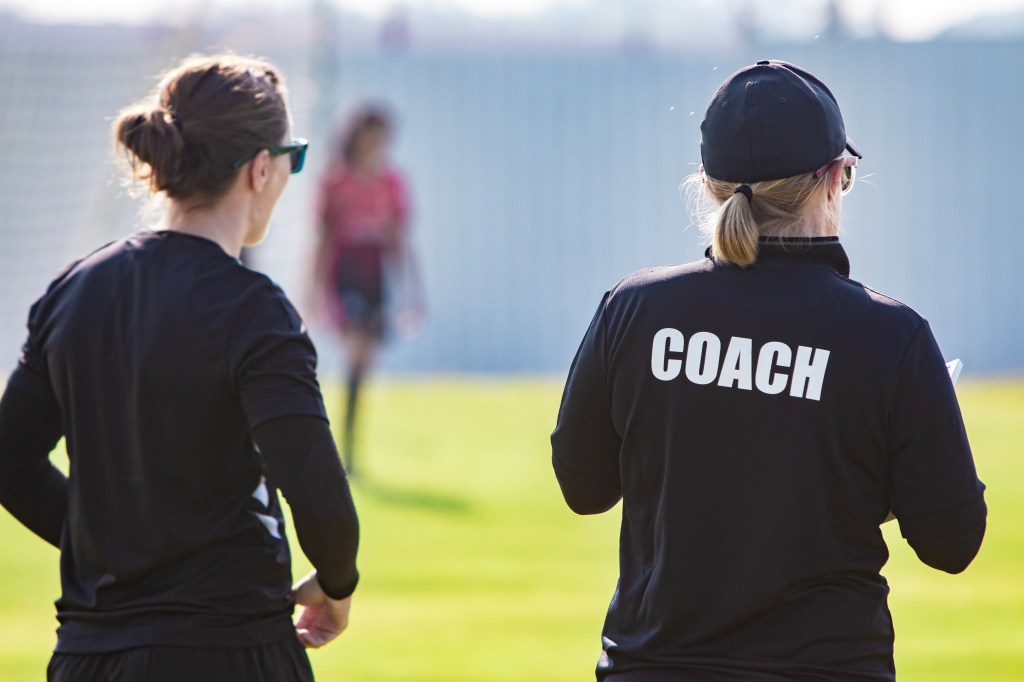
See where I’m going with this? As much as I love my students to feast on deliciously designed course content while they relish each novel twist and turn, they still need rigor in the mix as well. How else will they grow and hone their skills? How else will they learn to believe that they can accomplish new challenges that seemed daunting and even impossible the week before?
This brings me back to this idea of caring and kindness as a pedagogical centerpiece: sometimes we need to push a little because we care. Because we value the students and their futures. Because all students need to learn to believe they can rise to any occasion and succeed.
Yes, we must take into consideration and accommodate various learning styles and needs. However, some of the best moments I’ve had in the classroom have occurred after I pushed my students out of their comfort zones, encouraged them to push themselves, and then watched the pride and self-confidence emerge in their end-of-the-semester reflections. Those moments were a win for all of us.
So, the Moral of the Story Is…
In a post-COVID world, it’s easy for instructors to complain about students’ lack of engagement and motivation in online classes. We get frustrated that students won’t turn on their cameras or speak up during synchronous discussions. We might even go so far as to long for the days where face-to-face was the ‘norm,’ and online classes were something reserved only for special circumstances.
But, my friend, I’ll say it again: the old ways are going, going, gone. Instructors need to step it up and think differently about how we design and implement our courses and learning experiences. We must think about new and innovative strategies to engage and motivate our online students.
We can start by modeling the engaged behavior described by Singleton and Pares (2020): learning students’ names and greeting them in the chat, ramping up our welcoming nonverbals and body language when the cameras come on. We can reach out via email to ask how they’re doing if they miss an assignment or a synchronous session. We can remember when they mention significant circumstances happening in their lives.

In other words, we can show we care. We can start to build relationships, despite the barriers of glass and pixels. We can design experiences that create community and dialogue…and of course: love and support.
Overall, “the purpose of education is to produce learning, not deliver instruction. (Scheg & Ruefman, 2016, p. 13). And whether our students themselves decide on careers as novelists, chefs, coaches, or any other profession known to humankind, they will learn that their instructor cared. And won’t that make life in a post-COVID world just a little bit better?
That’s my story, and I’m sticking to it.
It’s food for thought.
Go Team, Go.

Sarah R. Adams is a doctoral student and graduate research assistant at Central Michigan University. Many thanks to the amazing writers who inspired this piece, including those at Hybrid Pedagogy. And, of course, lots of love and support to the incredible BCA and COM students I’ve been lucky enough to work with over the years!
Additional References:

Denial, C. J. (2022). In M. Burtis & S. Jhangiani (Eds.), Designing for care. story, Hybrid Pedagogy Inc.

Ruefman, D. & Scheg, A. G. (Eds.). (2016). Applied Pedagogies: Strategies for Online Writing Instruction. University Press of Colorado.

 Now What? (Education and Technology in a Post COVID World)
Leave a comment